

Applying for University in December? What you need to know for your UCAS application
December is a critical point for UCAS applicants, as students feel the clock ticking before the UCAS deadline in January. This is the moment where drafts and ideas need to materialise into polished personal statements.
In 2026, new changes to the structure of UCAS personal statements has introduced added stress for many students. With a brand new format, it’s easy to feel unsure about what is expected by UCAS, and how to get this down on paper.
This year, more than ever, it’s essential to understand the new UCAS personal statement format. In December, the pressure rises, but students have a vital window where they can now refine their answers to strengthen their evidence and writing before the final January rush.
This is where we, at Getting In, can help take the pressure off to craft top-level personal statements that directly respond to the new UCAS requirements.
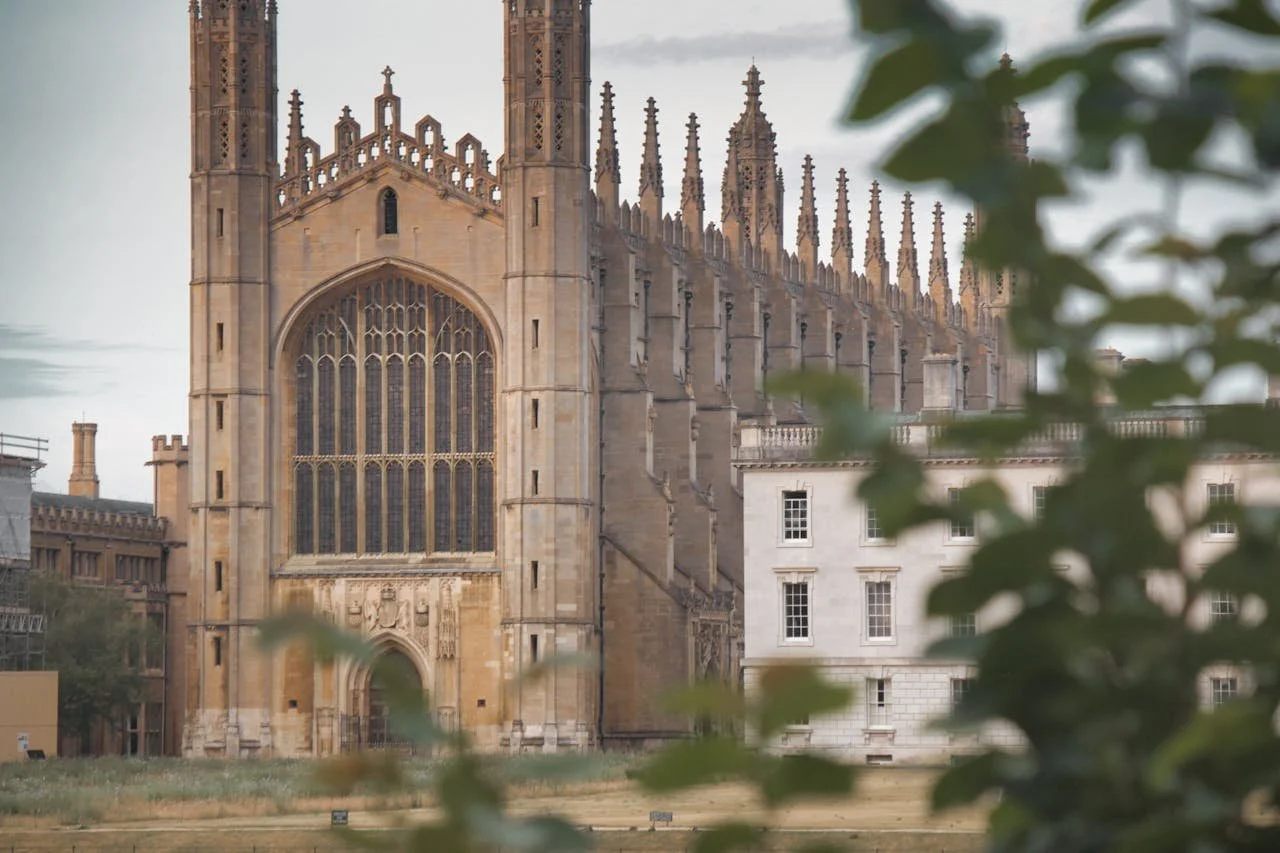
Understanding the New UCAS Personal Statement Format
For many years, UCAS required a single essay for personal statements, But this year, the new system requires shorter answers to structured prompts. This means that it is essential to provide focused responses that clearly demonstrate motivation, skills and preparation, both academic and extracurricular.
Many students are struggling with this new format, and are still writing statements based on previous requirements, with long paragraphs or unfocused personal stories that are not directed to answer the precise UCAS questions. Others often try to condense too much information, which creates statements which are difficult for admissions tutors to follow. Materials from school or online sources can be outdated, so applicants do not realise the gap between what they are producing and the new expectations.

The good news is, December applicants still have time to correct their statements before submission. With only a few weeks left before the final deadline, now is the time to fix any remaining issues and refine your approach.
Why December Applicants Often Submit Weaker UCAS Personal Statements
The main danger for December applicants is that students simply do not realise that the deadline is fast approaching. Many students tell themselves that they will ‘fix everything over the holidays’. But the reality is that the final weeks before the UCAS deadline are often chaotic. With the break over the holidays, followed by the new start of term, mock exams and busy teachers mean that personal statements end up being rushed.
With the new UCAS structure, this is a particular problem. A rushed statement means vague statements or generic reflection, which stand out far more in the new skills-driven, concise UCAS personal statement requirements. Admissions teams are looking to see if you can express yourself clearly with carefully chosen evidence. Statements produced under time pressure, particularly those using old templates, can easily let down your application.
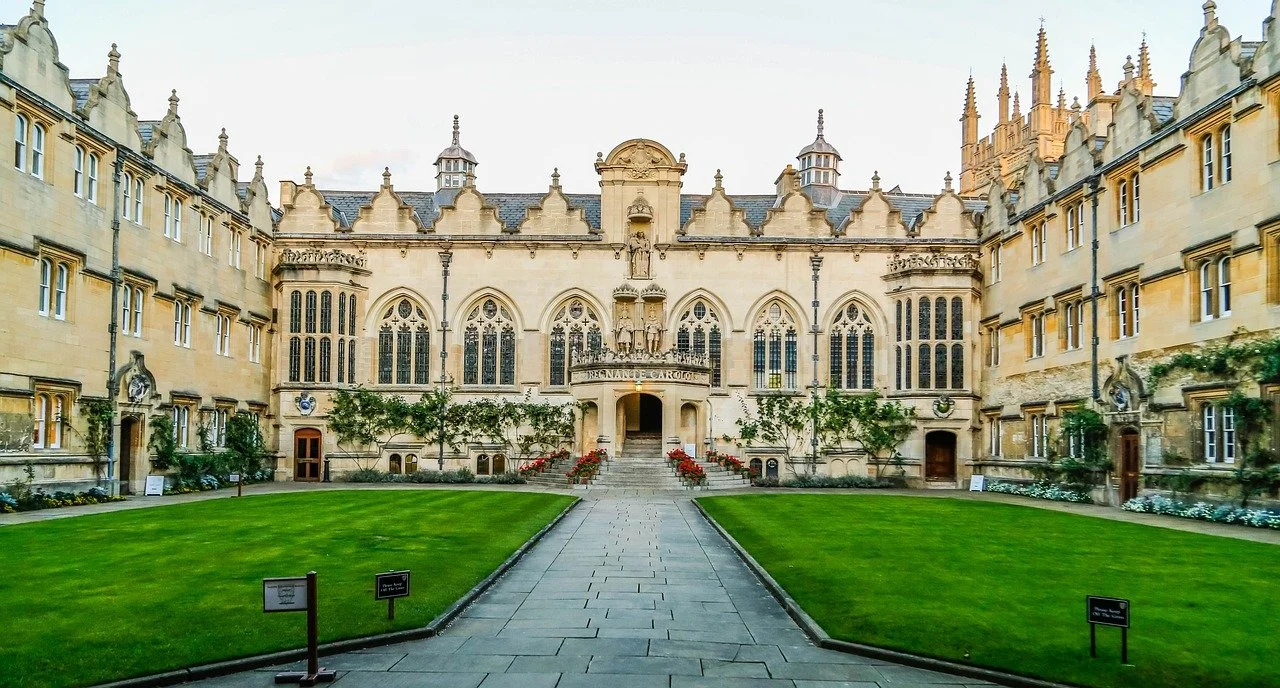
By starting to refine your statement in December, students avoid the risk of submitting writing that does not meet the new expectations. Now is the time to edit, seek guidance, and build a well-evidence argument for universities.
Essential Steps to Strengthen your Personal Statement before January
Here are some tips from our experts on how to write a successful personal statement under the new UCAS format:
Answer the questions: Make sure that every section directly responds to its UCAS prompt. Limit ‘stories’, cut flowery language and unnecessary ‘filler material’. Admissions tutors are looking for clear writing more than fancy words.
Understand the course: Admissions teams don’t expect you to be an expert. But make sure that you understand the course you are applying for, so that you can highlight your best experience and skills to match.
Highlight academic preparation: School projects, essays, coursework, wider reading, lectures or online research are all great ways to show that you are ready for university.
Remove clichés and vague statements: Repeating phrases or motivations that you have seen in other personal statements will not make you stand out. It’s best to be honest and let your genuine expression shine through.
‘Show not tell’: Don’t simply list your skills. Instead, focus on providing evidence on what you have actually done, read or thought. Use your real experiences to highlight insights, reflection and skills that are relevant to your course.
Edit, edit, edit: Leave plenty of time to re-read your work and get feedback.
Why Seek Expert Help in December?
December is when applicants most benefit from professional support. In a pressured period, specialists can help simplify the process of getting your personal statement ready for submission. An expert eye can spot weaknesses that you don’t see, and will ensure that your statement is ready for the new expectations. They can add that final polish, ensuring that every word has maximum impact in the tight word count.
For many students, last-minute expert assistance can make or break their application, ensuring that their statement is polished and gives the best chance of success.
How Getting In Can Strengthen your UCAS application
With the confusion surrounding the new UCAS format, and time running out to get it right, many students seek expert help in December. But not all guidance is created equal.
At Getting In, we specialise in providing expert support that is tailored specifically to the new UCAS personal statement format. Unlike many other services, our process is 100% human, which means that you will work with real experts every step of the way. We pride ourselves on ensuring that no AI, ChatGPT or writing software is used at any point. This means we craft statements that reflect your real experiences, personality and academic journey, rather than a generic template.
Our team includes experienced editors, professional writers, admissions specialists and graduates from top UK universities, who work individually with students and know exactly what admissions teams are looking for.
We provide a range of services, from expert mentoring to editing and tailored advice to create statements that are clear, relevant and authentic, precisely matching UCAS questions with a confident and genuine tone.
December and January are the most competitive periods of the entire UCAS cycle. We see first-hand how the right guidance provides structure and clarity at a moment when students often feel overwhelmed.
Get in touch today to ensure your personal statement is in its best form before the January UCAS deadline: